Skip to content

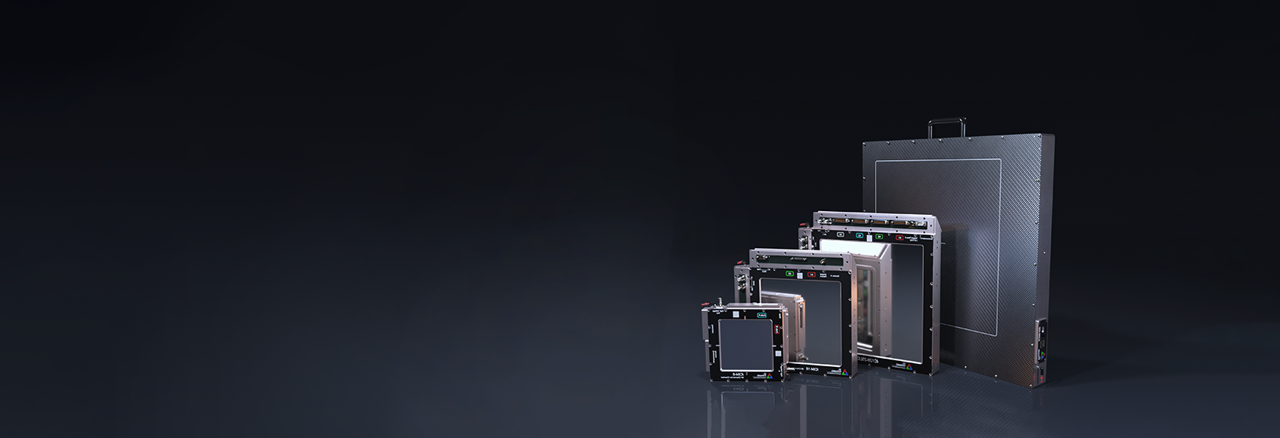
Ionization Chambers

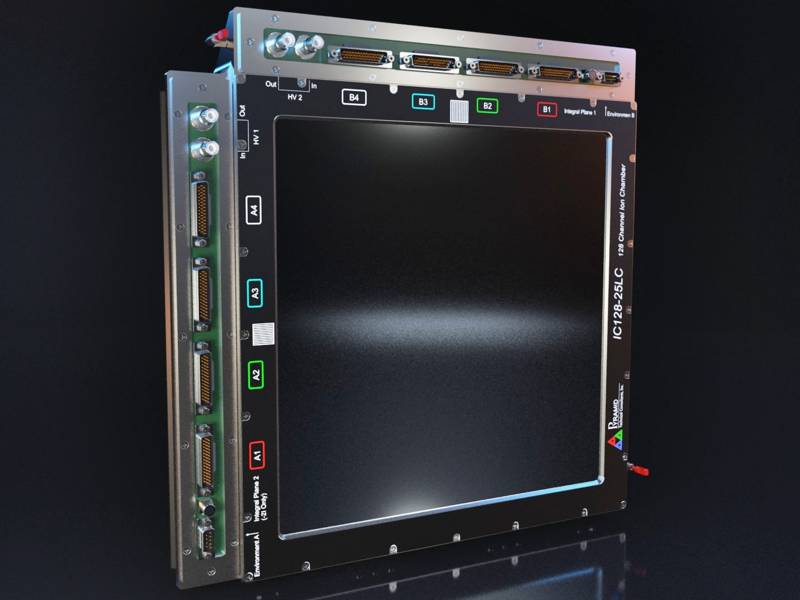
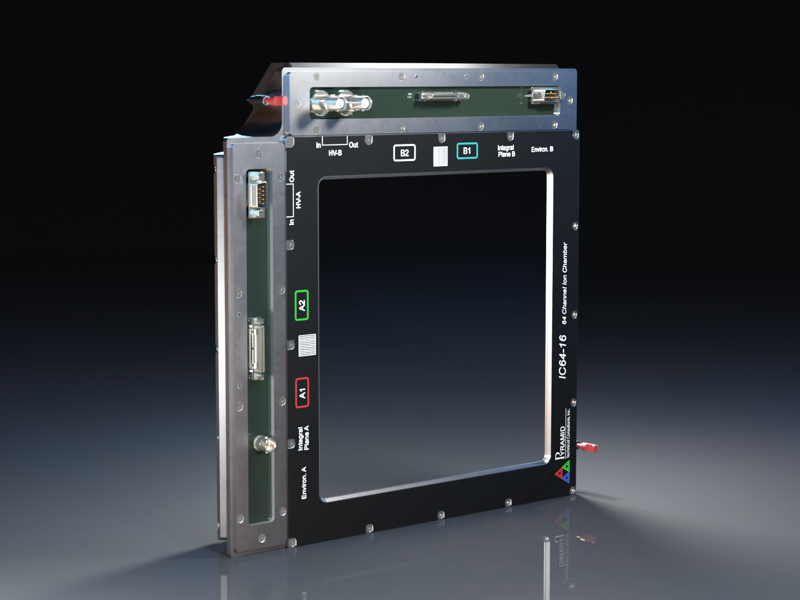
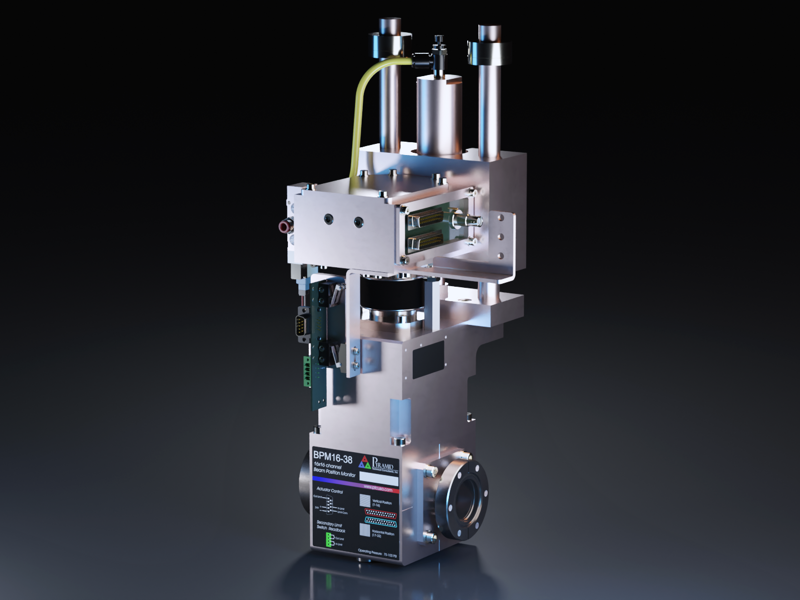
Trusted for clinical and research dosimetry, our gas-filled ion chambers offer ultra-thin water-equivalent thickness, radiation hardness, and a range of gap spacing and sensitive-area options.

Strip Detectors

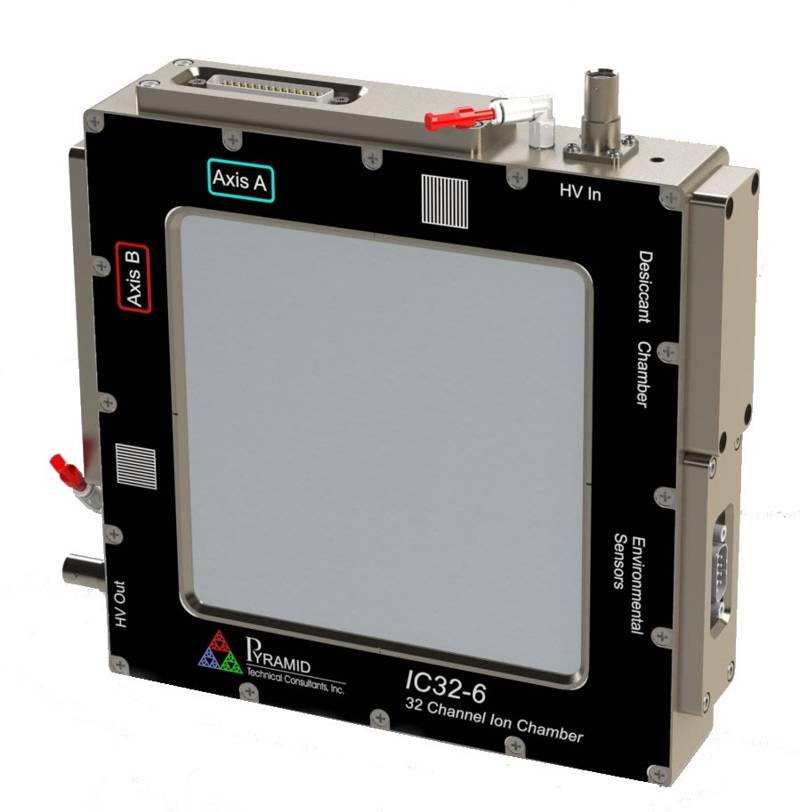
Radiation-hard polyimide strip electrodes for precise beam position monitoring.
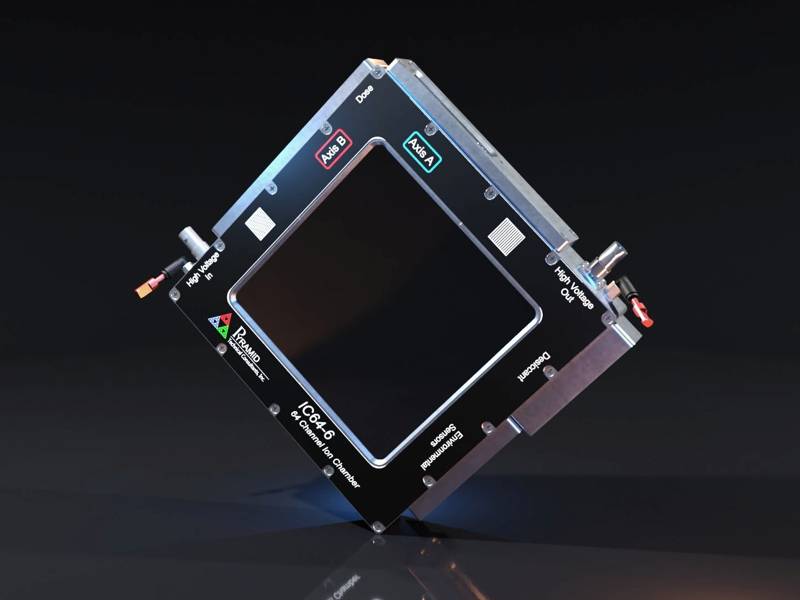
Quadrant Detectors

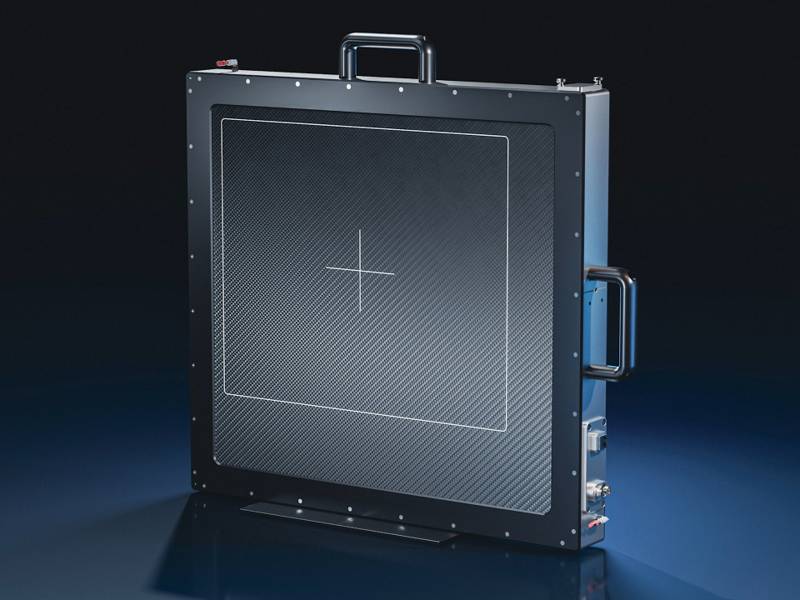
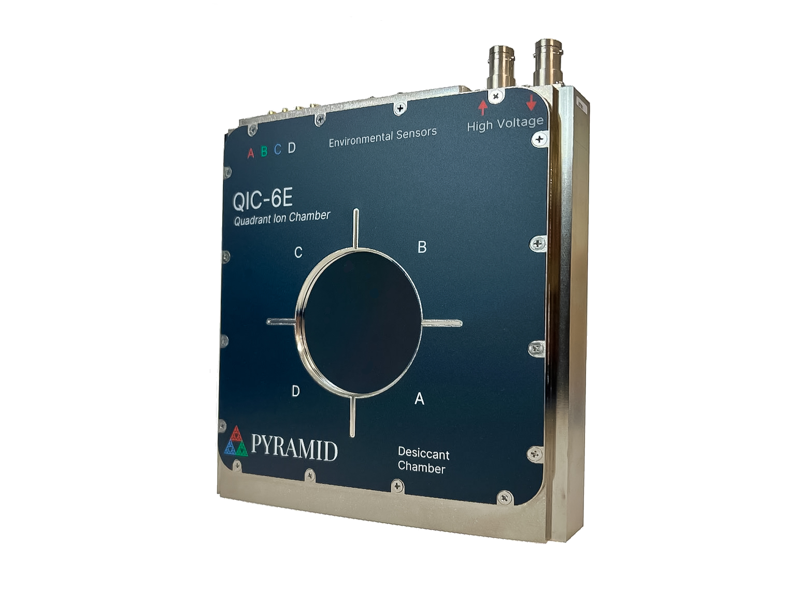
Four-quadrant ion chambers for fast, reliable beam centering and alignment.
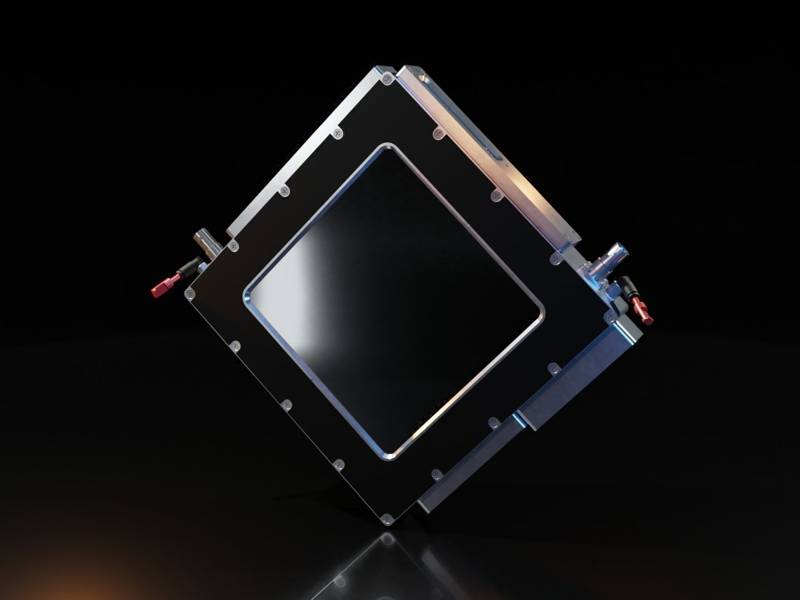
Pixelated Detectors

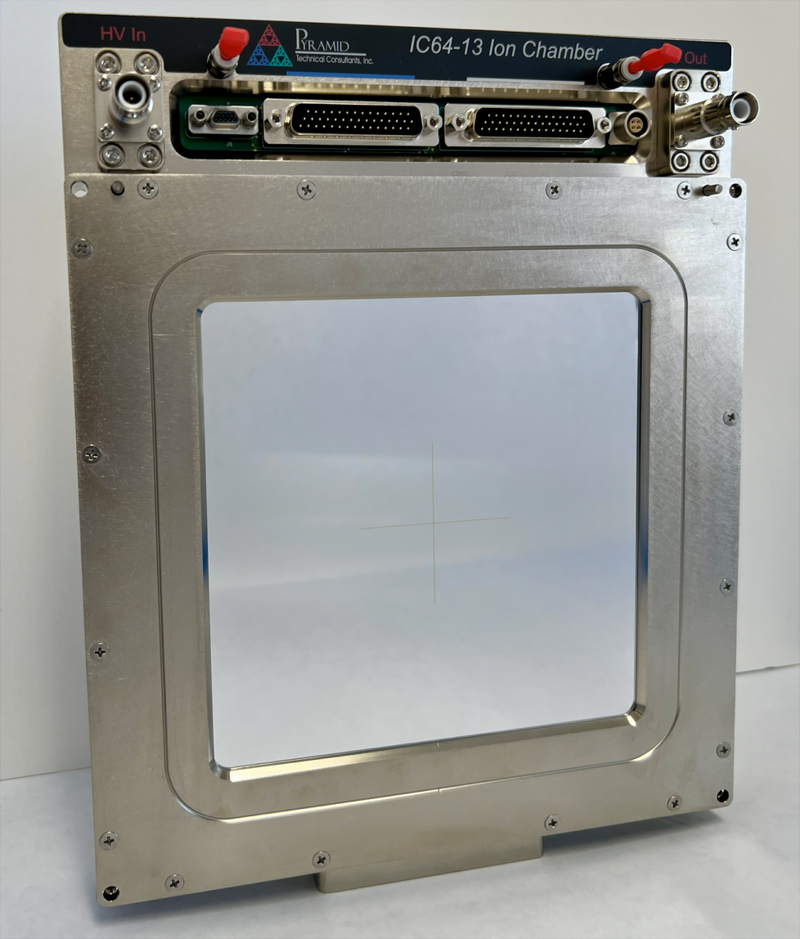
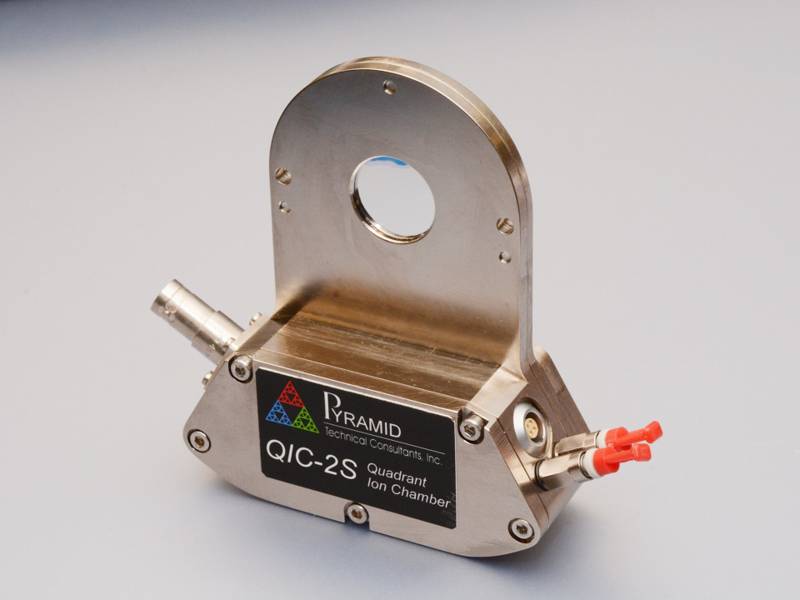
Fine-pitch gold pixel arrays for true 2D beam imaging and gamma analysis.
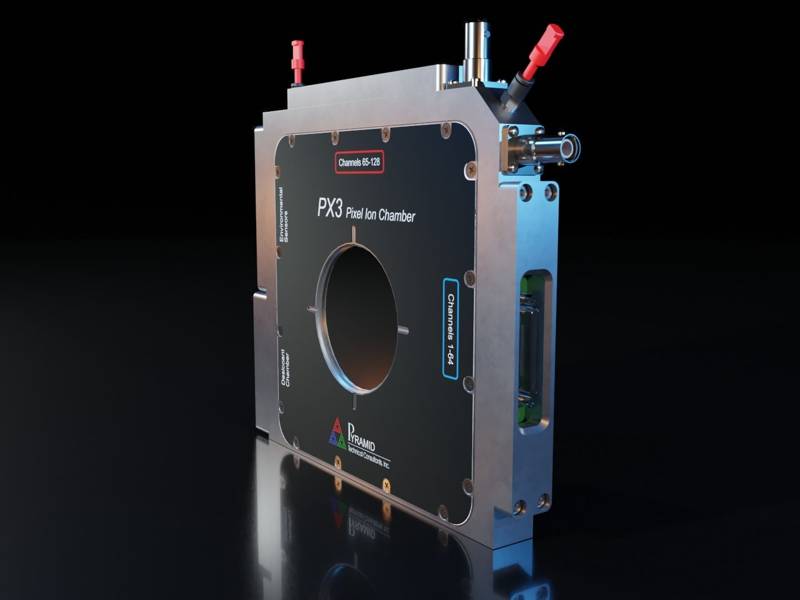
Frequently Asked Questions

What is an ion chamber?
The ionization chamber is a gas-filled radiation detector, and is widely used for the detection and measurement of nuclear particles and certain types of ionizing radiation; X-rays, γ rays, and β particles.
What does "water equivalent thickness" mean, and why does it matter for an ion chamber?
It's a way of expressing how much a detector's material affects a beam as if that material were replaced with an equivalent thickness of water, the reference medium used in radiotherapy dosimetry. A thinner water-equivalent thickness means the chamber perturbs the beam less, which matters for accurate in-beam dose measurement.
What gap spacing options are available, and how do I choose one?
Gap spacing (the distance between the chamber's electrodes) affects sensitivity, collection efficiency, and response time. Smaller gaps generally improve time resolution and reduce recombination effects at high dose rates; the right choice depends on your beam intensity and the measurement you need. Contact us with your application details and we can help you pick.
What does "radiation hardness" mean for an ion chamber?
It refers to a chamber's ability to maintain accurate, stable performance after being exposed to significant accumulated radiation dose over its operating lifetime, without degrading materials or drifting response.

Further Reading

Contact Sales & Engineering
Get in touch with our sales and engineering team to discuss your project.